

Benefits Of Using A Crowd Density Measurement System For Events And tourist attractions

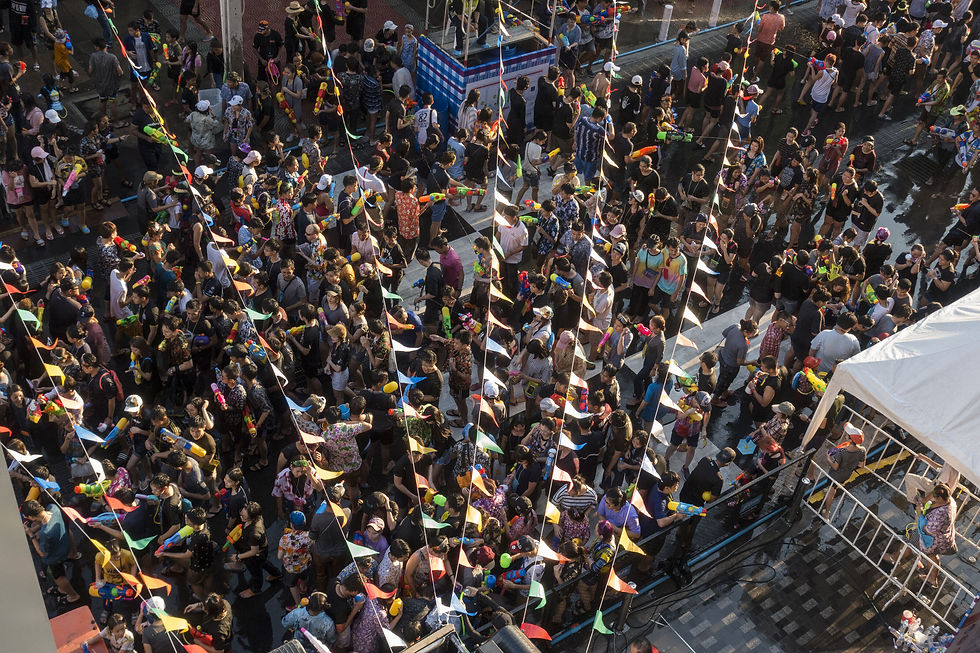
Managing crowded venues is difficult when decisions are based on guesswork rather than factual live data. This is especially true in high-pressure environments such as events and attractions, where visitor movement can shift quickly, and congestion can develop rapidly. A crowd density measurement system helps operators understand how many people are in a space, which zones are becoming crowded, and how movement patterns shift over time. With this visibility, teams can respond earlier and make better decisions before minor bottlenecks turn into larger operational issues.
With LiDAR technology, Trakomatic’s OCrowd delivers accurate crowd counting in open spaces and low-light conditions, supported by a broader platform that offers real-time visualisation and alerts. This makes occupancy tracking more practical and actionable for on-ground teams that need to monitor designated areas closely. The outcome is better safety, stronger operational efficiency, and an improved experience for visitors.
6 Key Advantages Of Crowd Density Measurement For Events And Attractions:
1. Improves safety across high-traffic areas.
A crowd density measurement system plays an important role in helping venue operators maintain safer environments, especially in places where large numbers of people gather and move at the same time. In both events and attractions, certain zones naturally experience heavier traffic than others, such as entrances, exits, registration counters, atriums, escalator landings, food courts, promotional spaces, and exhibition halls. When these areas become too crowded, it can lead to discomfort, slower movement, confusion, and in some cases, increased safety risk. By measuring how dense a crowd is in specific zones, operators can spot issues early and take action before the situation becomes difficult to manage. This makes it easier to control crowd flow, reduce pressure in busy areas, and create a safer environment.
2. Enables faster decision-making on the ground.
A crowd monitoring system gives operation teams immediate visibility into changing crowd conditions, which makes day-to-day decision-making much faster and more informed. Instead of depending on manual observation, radio updates, or delayed reports from staff on the ground, management teams can identify where congestion is building and respond with greater speed. For example, they may decide to open additional access points, redirect visitors to alternate routes, increase security presence in a busy zone, or assign more support staff to entrances and queue areas. This is especially valuable in environments where conditions can shift quickly, such as before a keynote session (at events) begins, during a flash sale (Atrium/event space in malls), or when a live activation (in malls as well as desiccated event venues) attracts unexpected attention.
3. Supports more efficient staff deployment.
One of the biggest operational advantages of a real-time occupancy monitoring system is that it allows teams to deploy/redeploy staff based on actual demand rather than rough assumptions. In attractions and event venues, staffing requirements can vary widely across the day depending on visitor peaks, program schedules, promotional activity, or seasonal traffic. Without accurate crowd insight, some areas may be overstaffed while others struggle with insufficient support. Real-time data helps managers place security teams, cleaners, customer service staff, and operational personnel where they are needed most at any given moment. This not only improves efficiency but also helps ensure that resources are being used where they will have the greatest impact.
4. Creates a smoother visitor experience.
Crowding has a direct effect on how people experience a venue. When walkways are blocked, lines grow too long, or key zones feel uncomfortably packed, visitors are more likely to feel frustrated and less likely to stay engaged. With accurate occupancy tracking, operators can understand movement patterns and pressure points during peak periods, allowing them to improve circulation, reduce congestion, and create a smoother visitor journey. In a mall, this can mean a more comfortable shopping environment and better access to stores, dining and entertainment areas. At an event, it can lead to faster entry, smoother transitions between sessions, and a more enjoyable overall experience for attendees. In both cases, managing crowd conditions well helps create a venue that feels organised, responsive, and welcoming.
5. Helps evaluate zone performance and space usage.
Insights from people counting and occupancy monitoring can help venue teams understand how effectively different spaces are being used over time. In malls, this can reveal which areas consistently attract strong traffic, which promotional zones perform well, create the ripple effects to the tenant sales, and which sections may need layout adjustments or stronger tenant strategies. In event venues, the same data can show which booths, stages, sessions, or common areas draw the most attention and where attendee engagement drops off. This makes it easier to assess whether a space is fulfilling its purpose and where improvements can be made. By understanding usage patterns at a deeper level, operators can make smarter decisions about design, leasing, activations, and future planning.
6. Supports long-term planning and continuous improvement
The benefits of crowd measurement do not end once the day is over. Historical crowd data can be extremely useful for improving future performance across both events and malls. Over time, operators can identify recurring congestion points, compare visitor patterns across different days or campaigns, and understand which operational decisions led to better outcomes. This allows them to refine layouts, improve traffic flow strategies, adjust staffing models, and plan future activations more effectively. For malls and attractions, this can support better tenant planning and stronger promotional execution. For events, it can improve venue design, scheduling, and audience management from one edition to the next. In this way, crowd data becomes not just a monitoring tool, but a foundation for continuous operational improvement.
A people counting system helps replace assumptions with measurable insight into visitor traffic and venue activity. This reduces dependence on manual observation and allows decisions to be based on clearer, more consistent data. As a result, operators can improve staffing, planning, and crowd management with greater confidence.
Conclusion:
As events and attractions become more dynamic, the ability to measure crowd conditions in real time is becoming increasingly important. From improving safety to enhancing operational efficiency, crowd intelligence helps teams make faster and more informed decisions. It also provides the foundation for better planning, stronger performance, and improved visitor experience over time. Partner with Trakomatic to transform crowd data into smarter venue operations. Contact us today.